
- May 7, 2026
- Posted by: admin
- Category: Blog
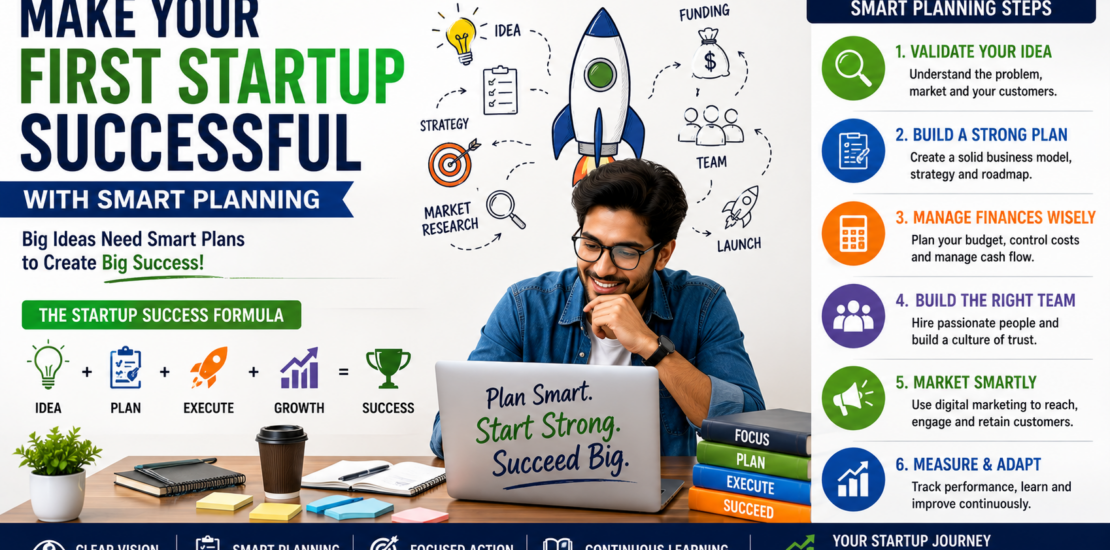
Starting a business is an exciting journey filled with opportunities, challenges, and learning experiences. While many entrepreneurs have innovative ideas, success often depends on planning rather than inspiration alone. Smart planning provides direction, reduces risks, and helps startups grow sustainably. For first-time entrepreneurs, having a clear roadmap can make the difference between failure and long-term success.
Understanding the Importance of Planning
A startup without a plan is like a journey without a destination. Smart planning helps entrepreneurs define their goals, understand their market, and allocate resources effectively.
Planning provides clarity about what the business aims to achieve and how it will get there. It also helps identify potential challenges before they become major problems.
Validating Your Business Idea
Before investing time and money, it is important to validate the business idea. This involves understanding whether the product or service solves a real problem and if there is sufficient market demand.
Market research, competitor analysis, and customer feedback are essential steps in validation. Entrepreneurs who test their ideas early can refine them and reduce the risk of failure.
Creating a Strong Business Model
A business model defines how a startup creates value and generates revenue. It outlines target customers, pricing strategies, distribution channels, and operational plans.
A strong business model ensures that the startup is financially sustainable and capable of scaling in the future. Entrepreneurs should focus on building a model that is both practical and adaptable.
Setting Clear Goals and Objectives
Successful startups operate with clear short-term and long-term goals. These goals guide decision-making and help track progress.
Breaking larger objectives into smaller milestones makes them easier to achieve. Clear goals also improve team alignment and keep everyone focused on priorities.
Financial Planning and Budgeting
Financial management is one of the most critical aspects of startup success. Entrepreneurs must plan their expenses, estimate revenues, and manage cash flow carefully.
Creating a realistic budget helps avoid overspending and ensures that resources are used effectively. Maintaining emergency funds and tracking financial performance are equally important.
Building the Right Team
A startup’s success depends heavily on the people behind it. Hiring individuals with the right skills, mindset, and passion creates a strong foundation for growth.
Collaboration, communication, and shared vision are essential for building a productive team. Entrepreneurs should also focus on creating a positive work culture that encourages innovation and accountability.
Leveraging Technology and Digital Tools
Technology can significantly improve startup efficiency and growth. Digital tools for project management, marketing, communication, and analytics help streamline operations.
Online platforms and social media also allow startups to reach wider audiences at lower costs. Smart use of technology provides a competitive advantage in today’s digital economy.
Developing a Marketing Strategy
Even the best products need effective marketing to succeed. A clear marketing strategy helps startups build brand awareness, attract customers, and generate sales.
Content marketing, social media promotion, search engine optimization, and paid advertising are powerful ways to reach target audiences. Consistent branding and communication help build trust with customers.
Adapting to Challenges and Feedback
Every startup faces obstacles, from financial limitations to market competition. Successful entrepreneurs remain flexible and adapt their strategies based on feedback and changing conditions.
Learning from mistakes and continuously improving products or services is essential for long-term growth. Agility allows startups to respond quickly to opportunities and challenges.
Focusing on Customer Experience
Customers are the foundation of every successful business. Providing excellent products, responsive service, and personalized experiences helps build loyalty and positive reputation.
Satisfied customers not only return but also recommend the business to others, supporting organic growth.
Building a Sustainable Future
Startup success is not just about quick profits—it is about creating a sustainable and scalable business. Entrepreneurs should focus on long-term value, innovation, and continuous improvement.
Smart planning helps startups stay organized, make informed decisions, and grow steadily in a competitive market.
Starting a business may seem challenging, but with the right planning and execution, first-time entrepreneurs can turn their ideas into successful ventures. Smart planning is the key to building a startup that survives, grows, and creates lasting impact.