
- June 12, 2026
- Posted by: admin
- Category: Blog
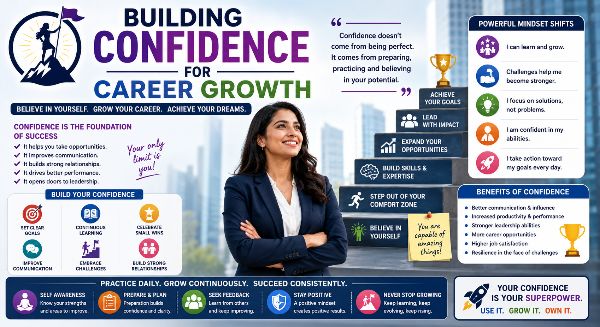
Confidence is one of the most valuable qualities for professional success. While technical knowledge and qualifications are important, confidence enables individuals to showcase their abilities, communicate effectively, take initiative, and pursue opportunities for growth. In today’s competitive workplace, confidence often distinguishes high-performing professionals from those who struggle to reach their full potential. Building confidence is not about being perfect—it is about believing in your abilities and continuously developing yourself to achieve career success.
Understanding Professional Confidence
Professional confidence is the belief in one’s skills, knowledge, and ability to perform effectively in the workplace. It influences how individuals communicate, make decisions, solve problems, and interact with others.
Confident professionals are more likely to take on challenges, contribute ideas, and seize opportunities that support career advancement.
Why Confidence Matters for Career Growth
Confidence affects every aspect of professional life. Employees who believe in themselves are more willing to speak up during meetings, take leadership roles, and pursue promotions.
Organizations often value confident individuals because they demonstrate initiative, resilience, and the ability to handle responsibilities effectively. Confidence can open doors to new opportunities and career progression.
The Link Between Confidence and Performance
Confidence and performance are closely connected. When individuals trust their abilities, they are more likely to take action and perform tasks efficiently.
A confident mindset reduces fear of failure and allows professionals to focus on solutions rather than obstacles. This often leads to better results and increased productivity.
Overcoming Self-Doubt
Self-doubt is one of the biggest barriers to confidence. Many professionals question their abilities, especially when facing new challenges or responsibilities.
Overcoming self-doubt begins with recognizing achievements, focusing on strengths, and understanding that mistakes are part of learning and growth. Developing a positive mindset helps individuals move forward with greater confidence.
Developing Strong Communication Skills
Communication is a key factor in building professional confidence. Individuals who can express ideas clearly and effectively are more likely to gain recognition and influence.
Improving verbal communication, presentation skills, active listening, and professional writing helps strengthen confidence in workplace interactions.
Setting Achievable Goals
Goal setting provides direction and creates opportunities for progress. Achieving small goals builds confidence and reinforces a sense of accomplishment.
Breaking larger objectives into manageable steps helps individuals track success and maintain motivation throughout their professional journey.
Continuous Learning and Skill Development
Knowledge and competence naturally increase confidence. Professionals who continuously update their skills are better prepared to handle workplace challenges and industry changes.
Learning through training programs, certifications, workshops, and practical experience helps build expertise and self-assurance.
Embracing Challenges and New Opportunities
Growth often occurs outside of comfort zones. Taking on new projects, responsibilities, and leadership opportunities helps individuals develop confidence through experience.
Each challenge successfully completed strengthens belief in one’s abilities and prepares professionals for future advancement.
The Importance of Positive Body Language
Confidence is communicated not only through words but also through body language. Maintaining eye contact, good posture, and a positive presence can influence how others perceive professionalism and competence.
Strong body language also reinforces self-confidence internally, helping individuals feel more assured in workplace situations.
Building Professional Relationships
Supportive professional relationships contribute significantly to confidence development. Networking with colleagues, mentors, and industry professionals provides encouragement, feedback, and valuable insights.
Positive relationships create opportunities for learning and help individuals navigate career challenges more effectively.
Learning from Feedback
Constructive feedback is a powerful tool for personal and professional growth. Confident professionals view feedback as an opportunity to improve rather than as criticism.
Accepting feedback openly and applying it constructively helps individuals enhance performance and build greater confidence over time.
Managing Fear of Failure
Fear of failure often prevents people from pursuing opportunities that could advance their careers. However, successful professionals understand that setbacks are part of the learning process.
Viewing failures as valuable experiences rather than permanent obstacles helps develop resilience and long-term confidence.
Confidence and Leadership
Confidence is one of the most important leadership qualities. Leaders must make decisions, guide teams, and communicate effectively under pressure.
Professionals who build confidence are often better prepared to take on leadership roles and inspire trust among colleagues and team members.
Benefits of Professional Confidence
Individuals with strong professional confidence often experience:
- Better communication skills
- Improved workplace performance
- Increased leadership potential
- Greater willingness to take initiative
- Stronger professional relationships
- Higher job satisfaction
- Faster career advancement
These benefits contribute to long-term success and personal fulfillment.
Building Confidence Every Day
Confidence is not something people are born with—it is a skill that develops through experience, learning, and consistent effort. Small daily actions such as setting goals, practicing communication, learning new skills, and embracing challenges can significantly strengthen self-confidence.
Career growth depends not only on what you know but also on your willingness to believe in yourself and demonstrate your abilities. By building confidence, professionals can unlock new opportunities, achieve greater success, and create fulfilling careers in an ever-changing workplace.