
- July 31, 2026
- Posted by: admin
- Category: Blog
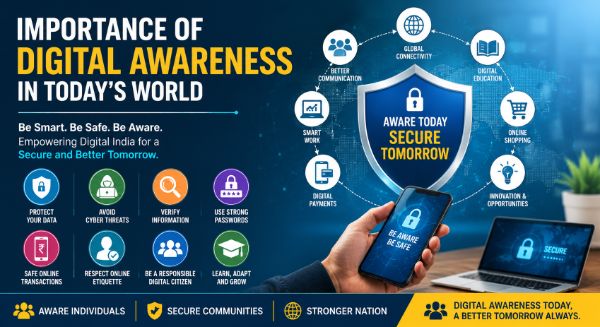
In today’s fast-paced digital era, technology has become an integral part of our daily lives. From online banking and digital payments to remote work, e-learning, social media, and e-commerce, the internet connects people, businesses, and governments like never before. While digital transformation has made life more convenient, it has also introduced new challenges such as cybercrime, misinformation, identity theft, and online fraud. This makes digital awareness more important than ever.
Digital awareness is the ability to use digital technologies safely, responsibly, and effectively while understanding the risks and opportunities associated with the online world. Developing digital awareness empowers individuals to make informed decisions, protect their personal information, and become responsible digital citizens.
What is Digital Awareness?
Digital awareness refers to understanding how digital technologies work and how to use them securely and ethically. It includes knowledge of:
- Internet safety
- Cybersecurity practices
- Online privacy
- Digital communication
- Social media responsibility
- Identifying fake news and misinformation
- Digital etiquette
- Safe online transactions
- Responsible use of technology
Being digitally aware means recognizing online risks and taking appropriate precautions while maximizing the benefits of digital tools.
Why Digital Awareness Matters
The digital world offers countless opportunities for learning, communication, business, and innovation. However, without proper awareness, users may become vulnerable to cyber threats.
Digital awareness helps individuals:
- Protect personal information
- Prevent cybercrime and fraud
- Make secure online payments
- Avoid phishing scams
- Identify fake websites and fraudulent messages
- Build a positive digital reputation
- Use technology responsibly
As digital services continue to expand, awareness becomes an essential life skill.
Protecting Personal Information
Every online activity generates digital data. Sharing excessive personal information can expose users to identity theft, financial fraud, and privacy breaches.
Good digital awareness includes:
- Using strong and unique passwords
- Enabling two-factor authentication (2FA)
- Avoiding sharing sensitive personal details publicly
- Regularly updating privacy settings
- Logging out from shared devices
- Keeping software and devices updated
Protecting personal information is the first step toward maintaining online security.
Staying Safe from Cyber Threats
Cybercriminals constantly develop new methods to target internet users. Common cyber threats include:
- Phishing emails
- Fake websites
- Malware and ransomware
- Identity theft
- Social media scams
- Online shopping fraud
- Financial scams
Digital awareness enables users to recognize suspicious activities before becoming victims.
Always verify website addresses, avoid clicking unknown links, and never share confidential information without confirming the source.
Fighting Misinformation and Fake News
The internet allows information to spread within seconds. Unfortunately, false information spreads just as quickly.
Being digitally aware means:
- Verifying news from reliable sources
- Reading complete articles before sharing
- Checking publication dates
- Comparing information across trusted platforms
- Avoiding the spread of unverified content
Responsible information sharing helps create a more informed and trustworthy digital society.
Safe Use of Social Media
Social media platforms connect billions of people worldwide, but they also present risks if used carelessly.
Digital awareness encourages users to:
- Review privacy settings regularly
- Think before posting
- Avoid oversharing personal information
- Report fake profiles and abusive content
- Protect accounts with strong passwords
- Respect others online
Responsible social media usage contributes to a safer digital environment for everyone.
Digital Awareness in Education
Schools and educational institutions increasingly rely on digital learning platforms.
Students benefit from digital awareness by learning to:
- Research information responsibly
- Protect academic accounts
- Avoid plagiarism
- Communicate respectfully online
- Identify trustworthy educational resources
Digital literacy prepares students for future academic and professional success.
Importance for Businesses
Businesses of all sizes rely on digital technologies for communication, marketing, customer service, and financial transactions.
Digital awareness helps organizations:
- Protect customer data
- Prevent cyberattacks
- Train employees in cybersecurity
- Secure business communications
- Maintain customer trust
- Comply with data protection regulations
A digitally aware workforce significantly reduces cybersecurity risks.
Digital Awareness and Financial Security
Digital payments have become increasingly popular through mobile wallets, UPI, internet banking, and online shopping.
To stay financially secure:
- Never share OTPs or PINs.
- Verify payment requests carefully.
- Use trusted payment platforms.
- Monitor bank account activity regularly.
- Avoid conducting financial transactions over unsecured public Wi-Fi.
Practicing these habits reduces the risk of financial fraud.
Developing Responsible Digital Citizenship
Digital awareness goes beyond cybersecurity. It also involves ethical and respectful online behavior.
Responsible digital citizens:
- Respect others’ privacy
- Avoid cyberbullying
- Follow copyright laws
- Share accurate information
- Engage respectfully in online discussions
- Use technology to contribute positively to society
Digital citizenship helps create a safer, more inclusive online community.
Tips to Improve Digital Awareness
Here are some simple habits that can strengthen your digital awareness:
- Keep your devices updated with the latest security patches.
- Use antivirus software and firewalls.
- Create strong, unique passwords for every account.
- Enable two-factor authentication wherever available.
- Learn to recognize phishing emails and fraudulent websites.
- Verify online information before sharing it.
- Regularly review your social media privacy settings.
- Back up important data securely.
- Stay informed about emerging cyber threats and online safety practices.
Conclusion
Digital awareness is no longer optional—it is an essential skill for navigating today’s connected world. As technology continues to evolve, understanding how to protect personal information, recognize cyber threats, use digital platforms responsibly, and verify online information becomes increasingly important.
By developing strong digital awareness, individuals, businesses, and communities can enjoy the benefits of technology while minimizing risks. A secure, informed, and responsible approach to the digital world not only protects us from online threats but also helps build a safer and more trustworthy digital future for everyone.